The Barnett Shale
is a natural gas source bed rock that stretches over 16 to
21 North Texas counties and is still actively being
discovered. Its 6,000 + square-mile reservoir is already
the second largest producing on-shore domestic natural gas
field in the United States after the San Juan Basin in New
Mexico and Colorado. At three different times spread out by
100 million years, Texas was actually a shallow ocean that
stretched up the central plains and even carried up into and
through Canada. The first 100 feet of ocean is considered
the Photo Eukaric Zone since light can penetrate the first
100 feet. With light and heat being a factor in this
shallow body of water we can assume these oceans had a huge
phytoplankton and zooplankton population and with that,
massive coral reef beds were created by filtering the
massive plankton population. This was the environment in
most of Texas some 300 to 600 million years ago as the ocean
came in and out at least three different times in the Fort
Worth Basin. The Barnett Shale gas field was discovered by
wildcatters in the early 1950's who were pioneering the
Conglomerate, Marble Falls, Pregnant Shale, and Strawn
Zones.
If you have a new lease or acreage available
and would like to have it reviewed for our projects or
modified for any reason such as surface sentimental reasons
please email:
landman@lonestarnaturalgas.com Please include the
county, acreage, abstract numbers, and previous leases if
any.
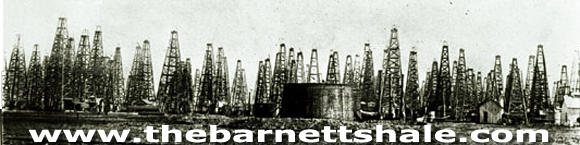
The technology to produce from The
Barnett Shale did not evolve until 1980. This is the
first area in the entire world where we are pioneering the
art of producing natural gas from a source bed rock and it
is alive and anaerobic.
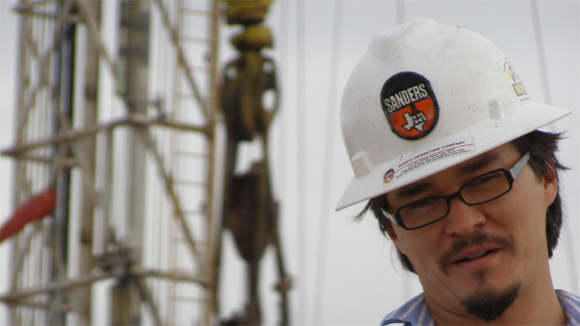
Chris Sanders has
revolutionized the art of turning CO2 into Oxygen and
Natural Gas while simultaneously reducing CO2 in the
atmosphere the result is the first "circle of life" between
our ecosystem and the petroleum anaerobic bacterial world. The
vast majority of the industry is unconcerned with the oxygen
output, CO2 reduction, or the circle of life, instead an
industry wide success rate of 97% and 5% of the nations
natural gas supply make this field the most active onshore
drilling play in the United States. -
chris.sanders@yahoo.com
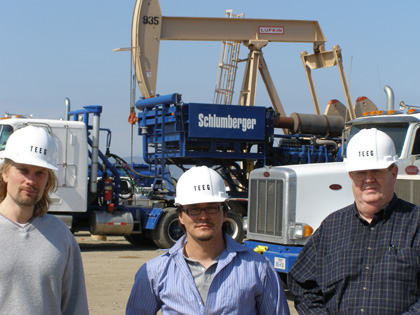
In fact, in every other area of the
world, every drop of oil and natural gas has already escaped
from the source and has been actively working its way on up
to the surface only to be trapped by structure and horizons
of geological time zones. In these upper production
zones, a degree of permeability and porosity must exist so
that we can produce from the formation. The Barnett
Shale has almost no porosity and no permeability which was
the reason why until now source bed rocks have not been
produced from. Therefore it is safe to say that these
explorers will spread their knowledge of source bed rock
stimulation and production throughout the world. So what is
going on here in Texas is extremely different because every
operator and producer here is a pioneer in the most advanced
cutting edge and active play in the world.
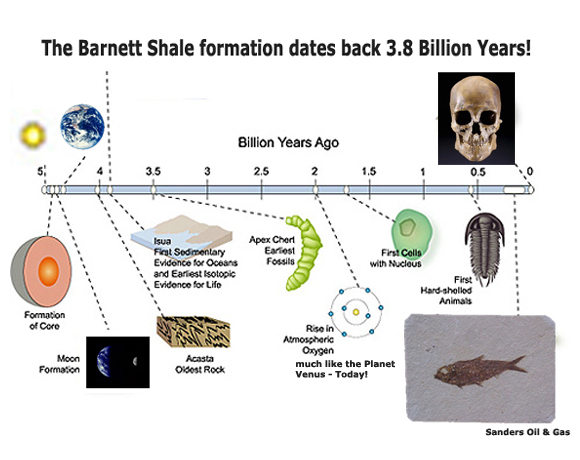
Shale consists of very fine grained
particles of quartz and clay minerals. It is
consolidated mud that has been deposited in lakes, seas,
inland oceans, and other similar environments. About,
forty five (45%) percent of all exposed sedimentary rocks
are shales.
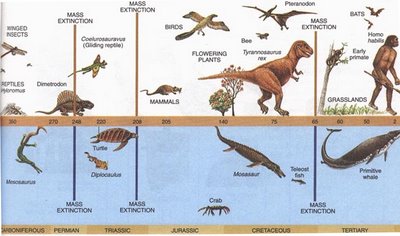
Organic
Sedimentary Rocks are formed from organic debris.
It is the deposit of once-living organisms all collected and
sealed into a medley of what once was. (shells, corals,
calcareous algae, wood, plants, bones etc.) Although
they are a form of clastic rock, organic rocks tend to
contain a larger amount of immaculately preserved fossils,
which laid down near the place where the animal, coral,
plant, or plankton once lived.
As the rocky
mountains formed, several separate ocean beds were
created in the state of Texas and are identified as The
Delaware Basin, The Permian Basin and The Fort Worth
Basin. The Barnett Shale is in the Fort Worth Basin and
because of its maturity and age we are able to frackture
and produce from this blanket formation. The Permian
basin sets an example from its exploration history and
research being from coral reef beds itself. The
word "frack" is used as a term out on the oil patch that
describes our ability to frackture and stimulate zones
horizontally by creating new channels and areas while
increasing the porosity and permeability of an area out
side of the production pipe we have just perforated.
Perforating is shooting through the production casing
and into our zone. In this case the "Barnett Shale
Zone" is the organic settlement of life itself proving
the theories of oceans, ice ages, volcanoes, and
meteorite impacts. However, this field is
completely different in many aspects. This ancient
shallow ocean in which the Barnett Shale is believed to
be divided in two zones; the upper and lower Barnett
Shale. By producing and reviewing logs in the primary
core of the Barnett shale I have noticed three zones;
this proves three flooding events. Under the
primary core and three layers you will find a thick
layer of obsidian
(obsidian is a blackish translucent glass). This is
probably the result of a meteorite impact in conjunction
with several triggered volcanic eruptions, which then
caused the ice ages and eventually the oceans. The
first two ocean occurrences were closer together in time
and defined as the "lower zone"; the third one spanned
at least 100 million years later which is now called the
"upper zone".
Time zones are
geologically missing from this shale area, which perplexes
others as to what happened to this time frame in the Barnett
Shale. My only assumption is that the oceans
continually existed in this time and either eroded or
absorbed the span of these missing formations. We have
three faults and three times that the ocean came in and out
of the Fort Worth Basin spread out over 300-700 million
years we also have three vertical faults in the shale.
Unlike most formations these Barnett Shale faults are areas
to avoid because they are incapable of producing any gas or
form of production such as the Muenster Arch Basin fault
zone. Add plate tectonic action and 200 million
more years for maturity and we have our current situation
today. At the core area of the Barnett Shale we find the
third zone in this shale which is the existence of the first
ocean sediment itself. Also in this lower level there is
more maturity and higher levels of gas and condensate with a
higher (BTU) British Thermal Unit rating.
Obsidian is found
underneath this third layer proving some meteorite and
volcanic activity before the creation of these oceans.
The northern and older part of the Barnett Shale between
Denton and Decatur produces a higher 1278-BTU rating as we
follow the Shale south to Fort Worth the BTU drops to
966-BTU. I have noticed that some operators are only
successful in certain areas and most of this has to do with
their frack techniques in conjunction with either the low
BTU or High BTU areas. CO2 stimulation is what I would
scientifically recommend to induce breathing in an anaerobic
organic environment. Major oil companies have decided to
concentrate in different areas of this shale and even other
new shale discoveries because of their different frackturing
techniques, beliefs, discoveries, and abilities. By inducing
the anaerobic environment with CO2 we stimulate oxygen and
natural gas. We can then separate the natural gas into
Hydrogen and CO2 we then use the Hydrogen and return the
"CO2" to the "anaerobic bacteria environment" to produce
more "Oxygen" and more "Natural Gas"; the result is the
first major "circle of life" between our ecosystem and
sustainable natural gas production in the Barnett Shale.
The reason for failure in the Barnett
Shale Play is simple. Spacing and depth are the essentials
in producing from this zone. A fine layer of obsidian
covers the Ellenberger Zone which must be watched and
avoided. 60 acre spacing seems to be a common norm for
safety in vertical wells. If a well hits the Ellenberger it
will produce water and we consider the well "Killed".
Horizontal wells require at least 4 times the normal
spacing. Problems: If one of the fracktures goes into the
Ellenberger Zone which is below the Barnett Shale then all
of the gas will follow the path of least resistance and flow
into the Ellenberger zone which is mainly water here in this
area. Certain new companies have learned how to find this
gas now trapped in the Ellenberger and are working on a
purification process which extracts all of the gases and
precious metals from the water. Some of the water will be
used to maintain the water level of Lake Bridgeport.
What is creating all
of this gas and why is it considered a source bed rock?
The Shale is basically compacted organic composition and
living at a high temperature. Inside this compacted
shale we find that it has life and that there is anaerobic
bacteria feeding on a decomposed coral reef shale producing
gas. The bacteria I believe lives in an anaerobic
environment and can be stimulated with CO2, the bacteria in
turn is stimulated and literally excretes methane.
However the rock is so dense that a lot of the gas stays
trapped uniformly perfect and even in the rock. What
happens with this other gas that leaves through the surface
of the shale? It rises and is trapped in other
structures and feeds other zones such as the conglomerate.
Most of these zones were discovered before we discovered the
shale because we did not go deeper. The Barnet Shale
is about at 8900 to 8400 feet deep along highway 380 in
between Denton and Decatur Texas. We know that the
ocean / Ellenberger is at around 8000' - 10,000' here.
The inorganic theory suggests that petroleum can come from
an inorganic- or nonliving source; this theory has failed to
produce a single drop of oil or natural gas. The
Barnett Shale is 100% percent organic and produced from an
organic source ( an old dead ocean) it is like having a huge
anaerobic digester trapped miles deep and if maintained
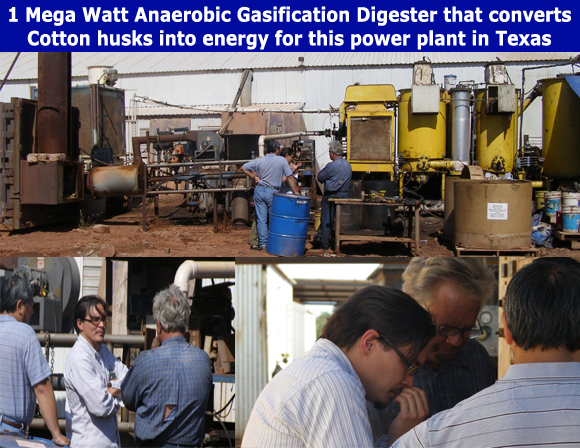
correctly could last indefinitely. I use the earth
itself as an anaerobic digester much like the one below -
but instead of building a container at the surface - I use
the shale very much in the same fashion except 7,000 -
10,0000 deep. Truthfully, many cities could take
advantage of this same principle using large Carsts or
Caverns in connection with the cities sewage systems - the
results would immediately produce usable gas just like we
are doing in the shale. Look at the anaerobic digester
below using cotton hulls it can power over 300 homes in
Texas -talk about a use for waste!
The
United States Geological Survey estimates that the
entire Barnett Shale field contains 27 trillion cubic feet
of gas. Estimates of the size of Barnett Shale’s
reserves are rapidly increasing; the field is starting to
make a big impact on the nation’s gas business at a time of
declining domestic production and projections of rising
demand. Gas executives predict that the current production
of 1.5 billion cubic feet a day — 2.5 percent of the
national output — has the potential to climb to 3 billion to
4 billion cubic feet a day in a few years. New
discoveries in the "outer fringes" of the shale define as
what Mr. Jim Leatherwood calls "the Paleo landscape" this
term correctly defines the reason for success and failure
due to the result of the ancient ocean's floor and channel
contour. The "Paleo landscape" is now the wildcatters
frontier in the Barnett shale.
Questions and
concerns? Extremely high gas pressures leak into
shallow to deep fresh ground water fields. The
problem. The annulus in between the production casing
and the earth / dirt or ground itself creates a passageway
for gas to escape into different horizons. Gas can
work its way up a small channel that can develop in between
the production casing and the dirt we call this channel the
annulus this channel can grow because of extreme lower gas
zone pressures and poison large shallow fresh water
reserves. Is there a solution? Yes! In
Artesia New Mexico they noticed a great natural resource
early on with their artesian fresh water springs - they did
not want to contaminate their naturally carbonated water.
So, they cement around the pipe the whole way down
destroying the annulus. Yes its more expensive, but
water is really more of a precious resource than gas.
The Interstate I-35
E was the edge of this ocean and as a result it is the edge
of the Barnett Shale Zone. A history of the drilling
activity teaches us that the "primary zone" of this Barnett
Shale is in between Denton and Decatur Texas stretching down
to Fort Worth Texas. We know that the zone is thicker
and richer in natural gas the further north in the Barnett
shale and has a higher BTU rating @1200 and the further
south towards Fort Worth we find a BTU rating @ 996.
Unlike other source beds we have learned to avoid the fault
lines that exist because they do not produce gas and are
accurately mapped by geo map on active production in the
area.
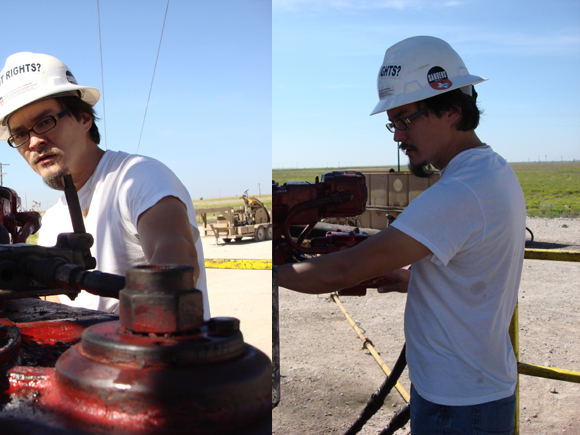
Frank Dux the
legendary world champion martial arts Bloodsport & Kumite
master is using money from the Barnett Shale to save the
rainforests and children throughout the world. The
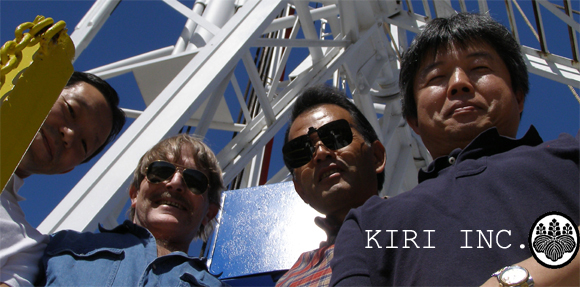
three men run Dux Inc. and are Asian Ambassadors for the
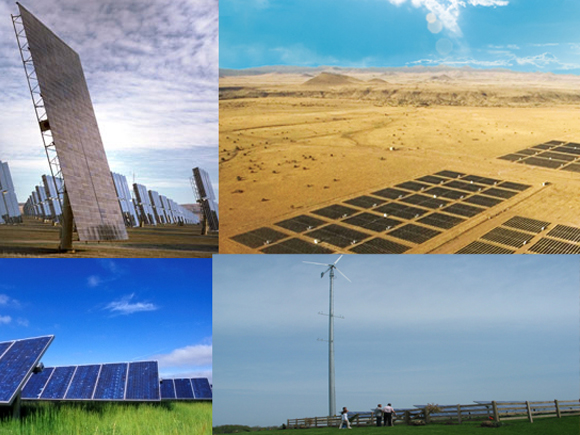
Clean World Wide Water Plan. The plan combines
natural gas generators, solar panels and wind generators
which feed water dehumidifiers for constant clean water and
constant hydrogen energy. These three men not only hold the
key to world wide freedom but they educate everyone about
the answer to save everyone by providing clean water to
every child, animal, crop, and city throughout the world, by
using the sun, the wind, and commercial dehumidifiers
together as the sustainable solution. The water
extracted in the atmosphere is the cleanest water ever
tested according to the Environmental Protection Agency
(EPA). The cost of water extraction is free because of
sustainable integration (solar & wind) the results are the
keys to world wide freedom and peace. The technology
is the exact reverse of what is done in the Barnett shale to
stimulate anaerobic life.

The most interesting
thing about this Barnett Shale is how solid it is.
Typically when we measure for permeability or porosity we
calculate in darceys as a form of measurement.
However, in the Barnett Shale we calculate our porosity and
permeability in anchstroms or shall I say, atomic measure.
This means that the shale is so tight that gas has a hard
time escaping it. Drilling through the shale is like
drilling through a Brunswick pool table or bowling ball.
Yet we find several interesting factors in the shale itself
such as micro fractures that travel from the north east to
the southwest. We use these micro fractures when we
horizontally drill to utilize the structure in combination
with the multi stage frac job. Halliburton has several
multi frac techniques that will literally amaze you.
Using micro radio transmission devices and special fluids
the company is literally able to follow each fracture in
amazing detail. You get what you pay for and horizontal frac
jobs can go easily between 4$ and 12$ million. Devon
itself claims that the work itself is very costly and still
an educational process. James Hall of Devon is leading
the industry in horizontal production discoveries and
results.
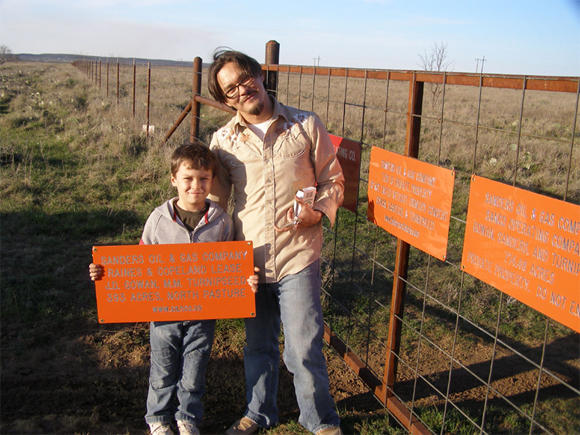
Many smaller
operators are experiencing the same dramatic results using
standard old vertical techniques and open hole completions.
Open hole completions? Yes, you heard me right.
The shale is so very solid that it is more stable than what
we could put down there and it allows us to cover more area.
The trick in developing this field is spacing. 60
acre's seems to be a safe space for wells in the Barnett
Shale. Many of the majors have killed off some of
their nearby wells by drilling to close or having a huge
horizontal with a bad frack job cross flood the area.
The trick in this field is not finding the zone - its not
getting greedy. If you pass the Barnett Shale you have
entered the ocean you hit the ocean you ruined your project.
Engineers, be ready to spot obsidian which covers the
Ellenberger Zone- the zone you must avoid. If a nearby
well hits the ocean and has fractured into your zone that
well has just ruined your production region. That gas will
shoot out into the ocean instead of up your hole.
George Mitchell
pioneered the lower Barnett Shale and Devon has seen its
capital gain merely by perforating the upper zones in their
existing wells. However, I believe a majority of their
wells were slim hole completed- making a rework not an
option. Nevertheless, this company holds about 75% of
the Barnett Shale and its Oil and Gas Leases by production.
The story of this Barnett Shale and its production evolution
actually began with the early Texas wildcatters that
discovered the area and defined the conglomerate.
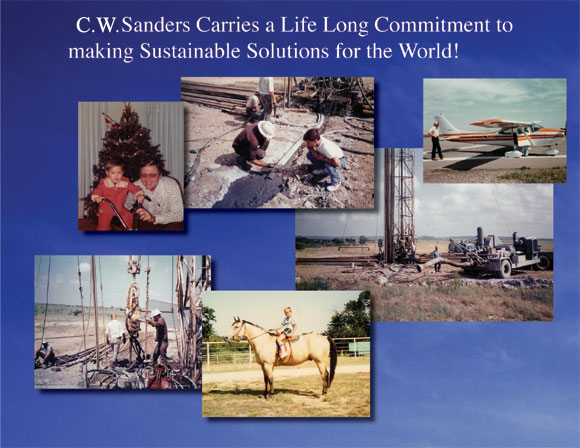
The most successful
wildcatter in Texas history is my father, C.W. Sanders (32°)
with a wildcat success rate of 87.5% in the days before
advanced 3D seismic technology. He used two very
conventional methods for drilling success; one he coined
"lineology", whereas you would draw a straight line between
two good wells and create a location. The other
involved taking off into the air which was common for us
back in the seventies and eighties and then spotting a
location from a birds eye perspective which then led to us
chasing the cattle off of some dirt road in the middle of
nowhere before making a location. He is an
amazing pilot and would fly high in the sky to get a birds
eye view which allowed him to examine the remains of the
prehistoric oceans that once covered the lands and since all
natural gas and oil comes from the remains of these dead
prehistoric oceans this gave us a perfect view because from
up above you can see the fault lines, and where the ocean
edges existed at different times. He discovered the outer
most fringes of these ocean channels later defined as the
conglomerate zone which he revealed were fed by an organic
source- today it is called the Barnett Shale.
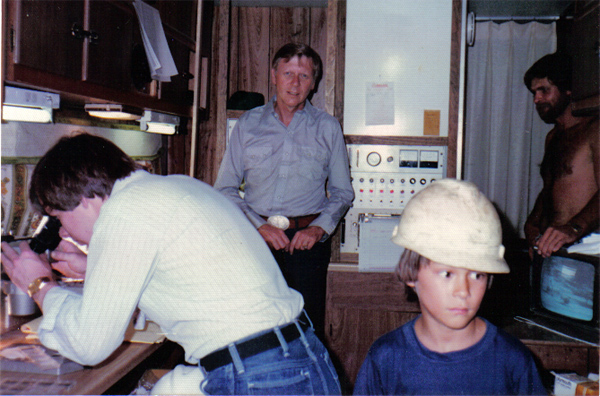
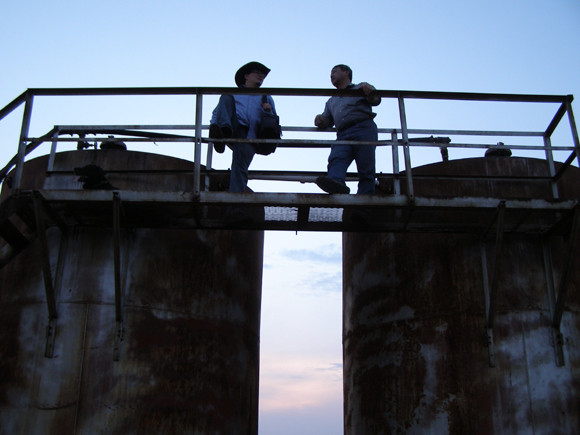
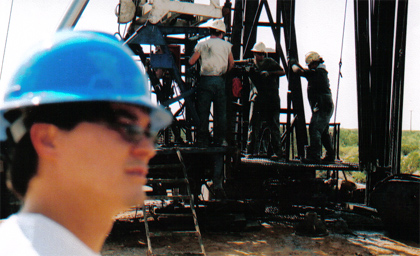
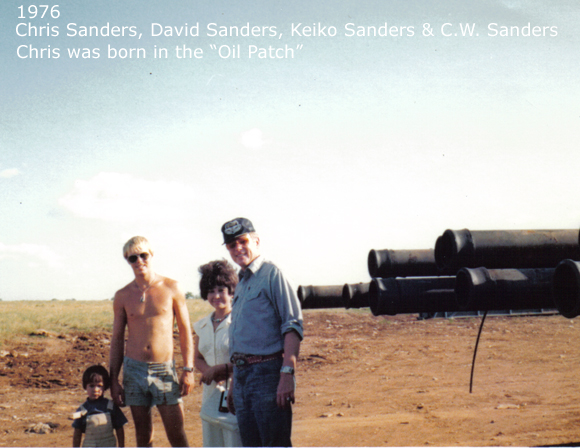
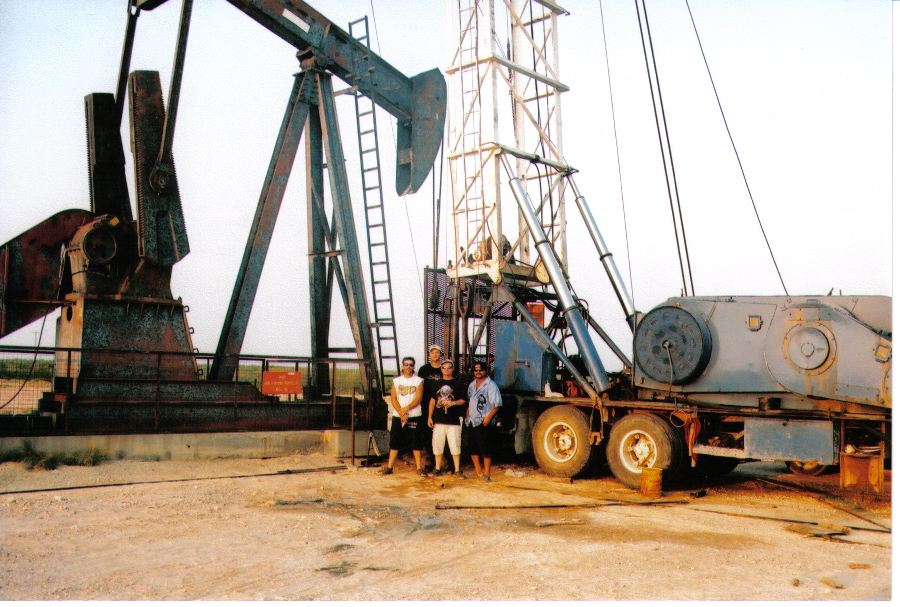
This picture was
taken in 1979, in the back stands Texas legendary golden
wildcatter C.W. Sanders as he discovered evidence of this
Barnett Shale in his logs. The kid in the picture is
me 27 years ago and even at this age I had witnessed my
father drill countless successful wildcat wells even in
areas now considered to be the core of the Barnett Shale.
Even then my father was questioning ways to produce from
this zone - however because of production technology at the
time and returns we stimulated zones which were higher
in porosity and permeability - something that the Barnett
Shale does not have. So we produced the gas that had already
escaped the Barnett Shale - trapped under structure and
ready to burst - this "conglomerate zone" was an exciting
early discovery that was ready to be produced and defined.
"Chris this Barnett Shale is the source bed rock for natural
gas" - my father has been saying this since 1974.

C.W. Sanders with his son Chris Sanders back in the
seventies
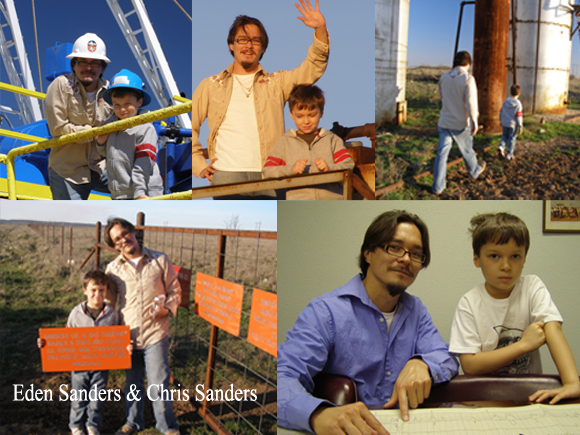
Chris Sanders with his son Eden Sanders in 2007
My son Eden Sanders
will be learning the ropes from me making us three
generations in oil and gas production.
Currently - we are exploring four other shale discoveries in
two other areas of Texas and in Colorado and Oklahoma.
(if you are using
Internet Explorer and happen to hear the music on this page
it is my Piano music - I hope you enjoy it)
If you have a new
lease or acreage available and would like to have it
reviewed for our projects or modified for any reason such as
surface sentimental reasons please email:
landman@lonestarnaturalgas.com Please include the
county, acreage, abstract numbers, and previous leases if
any.
If you have Minerals
or are able to execute an Oil & Gas lease in the Barnett
Shale please contact us as there are many oil and gas
companies ready to drill in this highly active and
successful area. (Currently, I am working on expanding the
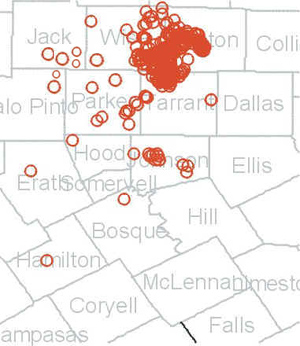
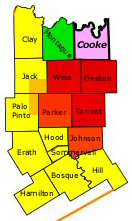
Barnett Shale to the north in Wise and Montague and to the
west in Jack and Palo Pinto. - ( I am interested in
anything in Denton (west of 1-35), Archer, Clay, Cooke,
Denton, Jack, Johnson, Montague, Palo Pinto, Parker,
Tarrant, Wichita, and Wise county Texas.) In Arkansas we
will pursue a 30,000 acre study of the shale where we will
duplicate some of our fracturing techniques on this new
discovery that I call "the circle of life" because we create
oxygen from our friends the anaerobic bacteria that breath
in CO2 and breathe out O2 while producing NG - the Barnett
Shale is a living anaerobic digester.
The Paleo Landscape
and the Birth of the Barnett Shale began with the defining
of the Fort Worth Basin and also the Conglomerate Zone
discovered by early Wildcatters such as Coke Gage, P.
Ellenberger, T.B. Pickens, George Mitchell, Norman Stovall,
C.W. "Chuck" Sanders, Frank Pitts, F.M. "Doc" Wigington, and
William ZuHone. But George Mitchell discovered how to
stimulate this zone and with that and the established
conglomerate zone above it a blanket coverage was quickly
defined to be the "Barnett Shale". It was soon later
known through science that this layer was in fact
responsible for feeding the above zones with natural gas and
that this was in fact the source bed rock.
Mitchell Energy / George Mitchell was acquired by Devon in
January 2002, and began developing the Barnett Shale in the
Fort Worth Basin in the northeast sector of central Texas in
1981. His down hole man F.M. Wigington a.k.a. "Doc" has now
teamed up with the Natural Gas Group, Organic Inc., and
Dedica and is expected to begin production in southern Jack
County early in 2006. This team along with William Zuhone of
Dedica have the most experience in the shale today.
The Mississippian-age Barnett Shale is one of the most
uniform stratigraphic units in the basin, outcropping along
the flanks of the Llano uplift in central Texas, where it is
about 30 to 50 feet thick. The Barnett Shale dips gently and
thickens to the north, reaching a maximum depth of around
8,900 feet and a maximum width of almost 1,000 feet near the
Texas-Oklahoma border.
Large fracktures in
the Barnett Shale are created by tectonic stresses created
after deposition about 300 million years ago. Huge grids of
small sized fracktures extend northeast southwest across the
area, but could not be produced until onset of newer
frackturing techniques. Barnett Shale production was first
established in the Newark East Field in Wise and Denton
counties, where it grew from less than one billion cubic
feet of gas from 25 wells in 1985 to 19.2 billion cubic feet
from 306 wells in 1995. During the past five years,
production has more than doubled to 40.6 billion cubic feet
from over 500 wells.
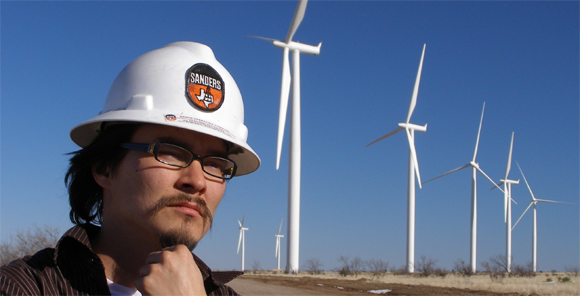
The Barnett Shale is
really only to the west of I-35 and leaves Dallas County
pretty much out of the play. Chris Sanders has created
several new entities which all demand earth friendly and
sustainable projects that are combined into his Barnett
Shale projects. The new family geared to save the
children on the planet are called Sustainable Angels.
Sanders Drilling is now negotiating a drilling program with
1.7 million acres that are both ready for natural gas and
wind farms. The firm continues to expand its play area
with twenty wells in Southeast Jack County. In 1998 Rich
Green / Chevron / LNG and Chris Sanders experimented with a
new stimulation technique that employed water as the
fracturing fluid, required significantly less proppant and
was about 60 percent less expensive than the conventional
stimulation treatments. The technique proved successful and
has since been implemented field wide. September of
2005 the team completed its 77 successful well in the
Barnett Shale using this process with the injection of
treated carbon dioxide in water. They also provide
millions of cubic feet of oxygen to the atmosphere for our
breathing environment because the substrate in the shale
transforms this CO2 into both natural gas and oxygen. Since
then a new frack method called the "soda pop" has been
developed with 12 wells that have already pushed 22 million
dollars in natural gas returns. Currently, they are
concentrating on the oil returns of the shale in the North
West region of the play.
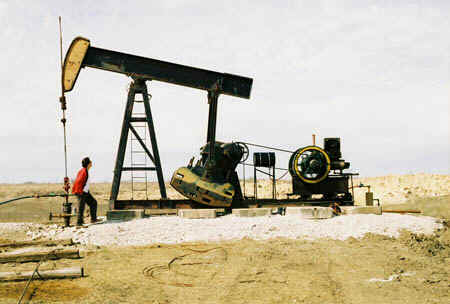
Devon with James
Hall demonstrated a technique for economically completing
the upper Barnett Shale interval, increasing reserves in
their core area by 25 percent, or 250 million cubic feet per
well, and expanding the play to previously marginal areas.
This new completion technique in combination with a 60-acre
spacing infill well drilling program is expected to allow
Devon Energy to increase its Barnett Shale gas production
and open up new areas for exploitation. (Devon perforated
the upper zone which George Mitchell did not stimulate)
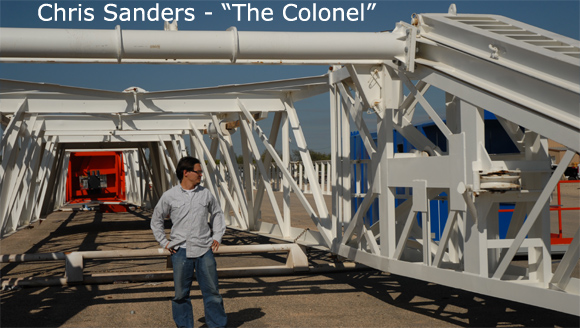
Natural Gas (NG) is
Hydrogen (H) the only difference is removing the
(CO2).
Air Products and Sanco have discussed two joint venture
programs involving CO2 extraction technologies from both the
well head and also from the environment itself. "The
CO2 belongs under the surface of the earth where it can be
anatomically changed - just as the plants do here on the
surface - this substrate does under the earth - because of
my findings I have mandated sustainable energy integration
field wide on all of my locations and projects so that we
can do something for the environment. By using
our natural gas more effectively the same amount of natural
gas it takes to heat a sky scrapper can be converted into
enough electricity to power an entire city!
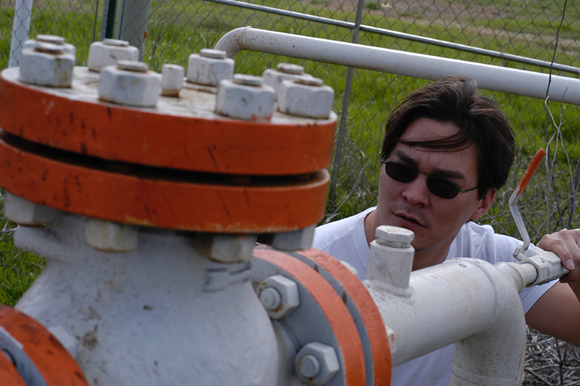
California Governor
Arnold Schwarzenegger and New Mexico Governor Bill
Richardson are now a part of the Hydrogen HWY and family -
The group pushes for Texas because of its proven natural gas
resources and areas like the Barnett Shale which currently
produce 5% of the nations natural gas supply that can be
converted to provide 100% of the nations electrical and
hydrogen needs from hydrogen fuel cell technology that
provide oxygen as emissions.
Company mandated sustainable integration on all company
projects.
These companies include:
Dux Energy
Lonestar Natural Gas
Texas Environmental Energy Group, Inc.
Expansion
Plans
The group has
dedicated their revenues for environmental remediation
projects over the shale. - Through Mr. Clem Palmer and his
friends at the (TCEQ) Texas Commission on
Environmental Quality - Mr. Sanders has agreed to help
remediate some of his projects which might include the
Buffalo Bayou a 73 mile stretch of river connecting Houston
Texas with the Gulf Of Mexico. Already millions of
trees are underway and ready for a new homes in Texas.
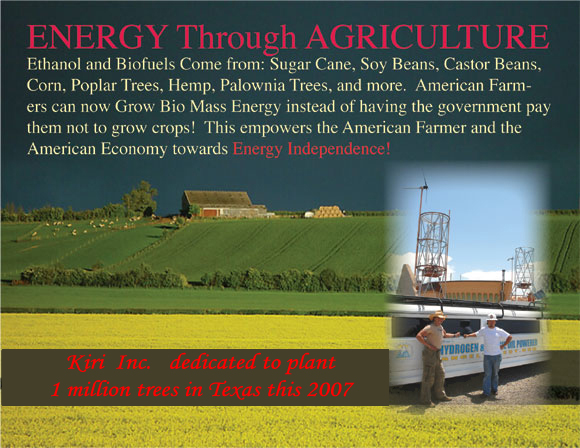
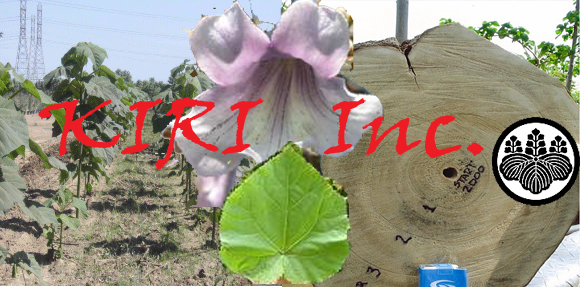
The tree is called a Kiri tree and produces 10 times more
oxygen than any other tree and reduces 10 times more CO2
than any other tree. It loves toxicity and cleans up
areas and provides a great return on lumber yields
equivalent to mahogany and teak. In Texas returns of
$500 million dollars per square mile are expected in five
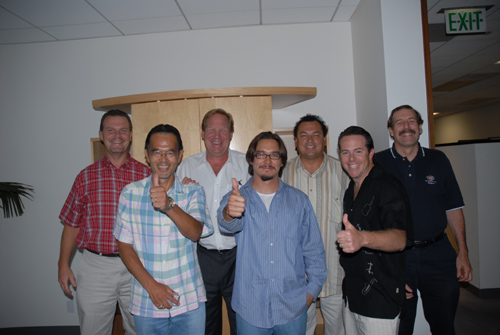
years - Thumbs up to the "Green Team"
SANDERS DRILLING
Life has had
a very interesting international demand for my drilling
practices. No more requests for Iraq in fact I am
looking at contracts to pull our boys into areas of oil
production surrounding the major areas of conflict.
This year (2011-2014) we have drilling contracts in China,
Iraq, India, Kazakhstan, Mongolia, Qatar, Russia and Saudi.
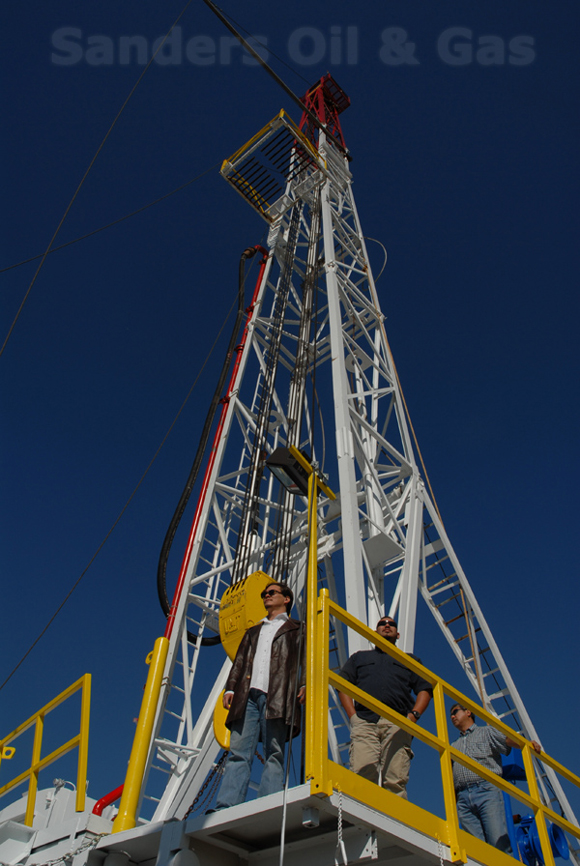

Mr. J.J. Torres will
be in charge of our expansion efforts into the permian basin
for Salt Water Disposal and the Eagle Ford Shale of South
West Texas.
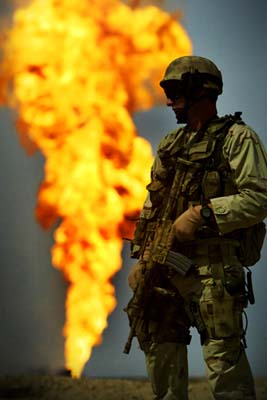
The two lifelong
friends are dedicated to saving lives and together with the
help of Frank Dux the team will spread the word wide water
plan to save lives and provide all with clean water from the
atmosphere. Just the knowledge alone of sustainable
integration in third world countries makes a tremendous
impact and saves lives providing all with the cleanest fresh
water.
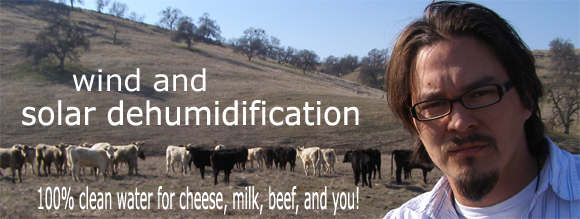
Throughout the
United States we shall never be affected by a drought ever
again! The answer is here through sustainable integration.
Governor Bill Richardson has seen and understands the
potential of hydrogen energy.
|